
Blog posts tagged "mir"

Over the past 5 years, Canonical has been contributing to Flutter, including building out Linux support for Flutter applications, publishing libraries to help integrate into the Linux desktop and building modern applications for Ubuntu, including our software store. Last year we announced at the Ubuntu Summit that we’ve been working on br

We are glad to announce the release of Mir 2.7 — our open source and secure display server for building Wayland-based shells. Mir provides a set of libraries and a Wayland compositor with integrated window management. This new release brings to you an idle timeout and on-screen keyboard (OSK) support for Qt applications. This blog
With another release of Mir, we have prepared a new blog with the a roundup of the product’s newest features. Mir is our flexible display server that provides a set of libraries and a Wayland compositor for building Wayland-based shells with integrated window management. Today, Canonical is launching Mir 2.5, a new version of Mir
Another cycle brings another release of Mir, with new features and new innovative use cases. For those of you new to Mir, our flexible display server provides a set of libraries and Wayland compositor for building Wayland-based shells with integrated window management. It is widely used in different IoT applications, including digital sig
What is Mir? Mir is a set of libraries for creating graphical shells for Linux on a range of hardware. This means that there are a number of shells based on Mir and they work on some very different form factors. Mir is what glues together the “shell” experience, the applications and the hardware: Mir
mir was designed to help systems on chips (SoCs) to reduce their development and maintenance investment in Linux graphics drivers. Today, mir works across the whole stack of devices, from desktop computers, tablets and phones, to IoT devices. You can find mir in industry GUI applications to smart mirrors, enabling developers to design inn

Mircade: An example snap confined user shell There are various scenarios and reasons for packaging a Snap confined shell and a selection of applications together in a confined environment. You might have applications that work well together for a particular task; or, you may want to offer a number of alternative applications and have them

What is Mir, what is Wayland, do I care? Shells for graphical interfaces come in many forms, from digital signage and kiosks that just show a single full screen application; to desktop environments that manage multiple applications, multiple screens and multiple workspaces. Traditionally, shells are built from a number of closely coupled

Unity8 is a graphical shell targeting a range of devices and form factors including phones, tablets, laptops and desktops. Unity8 uses the facility to customize Mir’s default window management to give its “convergent” experience. In addition to the phones and tablets supported by Ubuntu Touch work is in progress to adapt Unity8 for use on

Display servers solve a large and complex problem. Mir provides a broad and powerful library to solve those problems, but there is a learning curve to use Mir effectively. It is really helpful to have a step-by-step example that covers enough of the issues to get a decent start. To address this need there’s a

This is a guest blog by Jody Smith, Product Manager at Broadsign. The world’s increasing demand for quick, personalised service often clashes with budgetary concerns and the limited throughput that individual workers are capable of. Fortunately, there’s a solution: touch-enabled, digital smart kiosks. Today’s smart kiosks are a far cry f
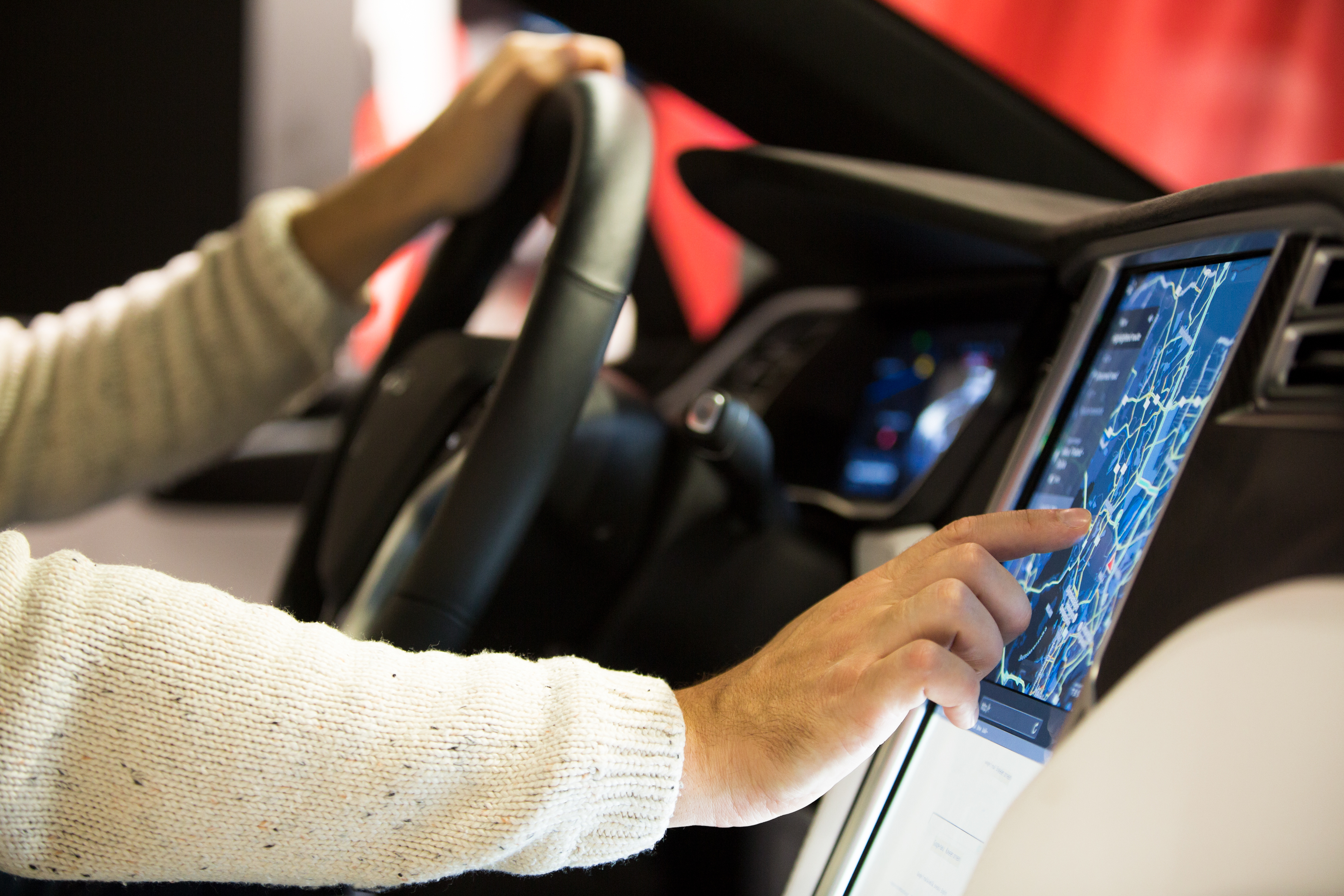
If you have a problem… if you just need support for one fullscreen application… and, if you can use snaps… maybe you can use… mir-kiosk. Many devices need to provide some sort of graphical output or display (with the options of keyboard, mouse and touchscreen input) to the user. Some examples include interactive kiosks, digital
The Mir team is pleased to announce the milestone release of Mir 1.0.0. This is the first major release targeted at IoT device makers and enthusiasts looking to build the next-generation of graphical solutions. Mir is a display server and is used by other projects to draw graphics on the screen. The Mir team have
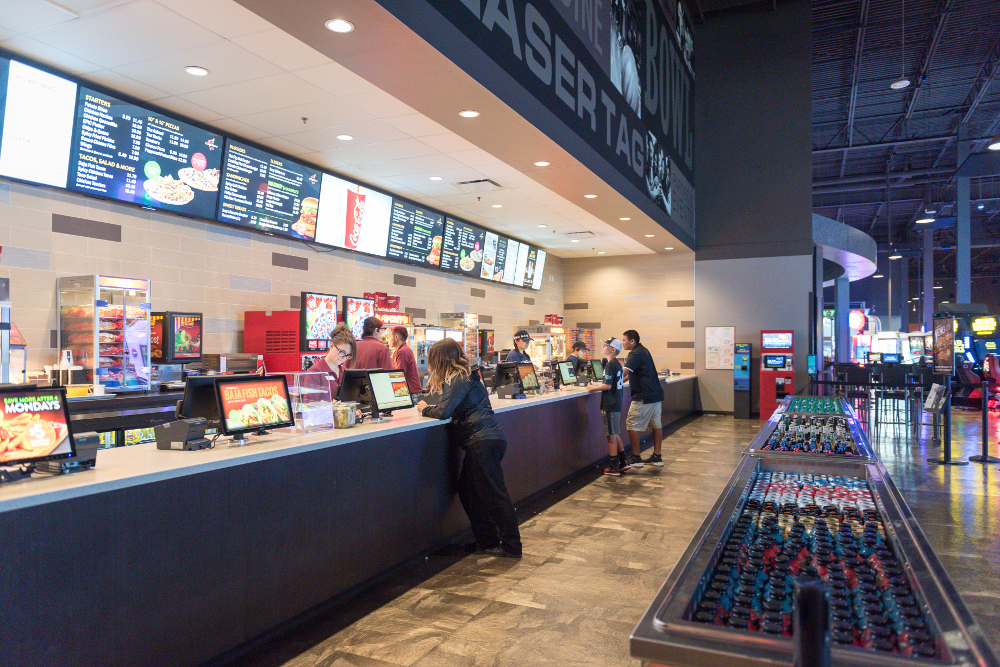
The IoT promises to bring about a revolution in the way we interact with devices around us. While many IoT devices will be hidden away, from sensors that measure manufacturing tolerances in a factory to hubs that control lighting around the home, there are a class of devices that need to provide some sort of

This is a guest post by Alan Griffiths, Software Developer at Canonical. If you would like to contribute a guest post, please contact ubuntu-devices@canonical.com I’m Alan Griffiths and I’m a software developer. Being a software developer means I deal with a lot of problems that are rarely appreciated by non-developers. This is a story ab
This is a guest post by Alan Griffiths, Software engineer at Canonical. If you would like to contribute a guest post, please contact ubuntu-devices@canonical.com 2016 was a good year for Mir – it is being used in more places, it has more and better upstream support and it is easier to use by downstream projects.